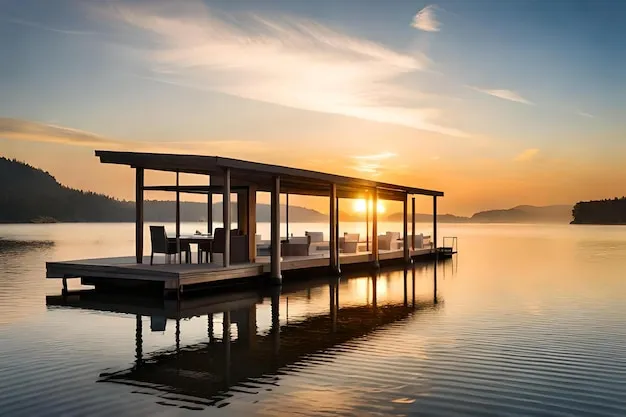
When Your Backyard Becomes the Venue: What Event-Ready Waterfront Living Means for Lakeview Buyers
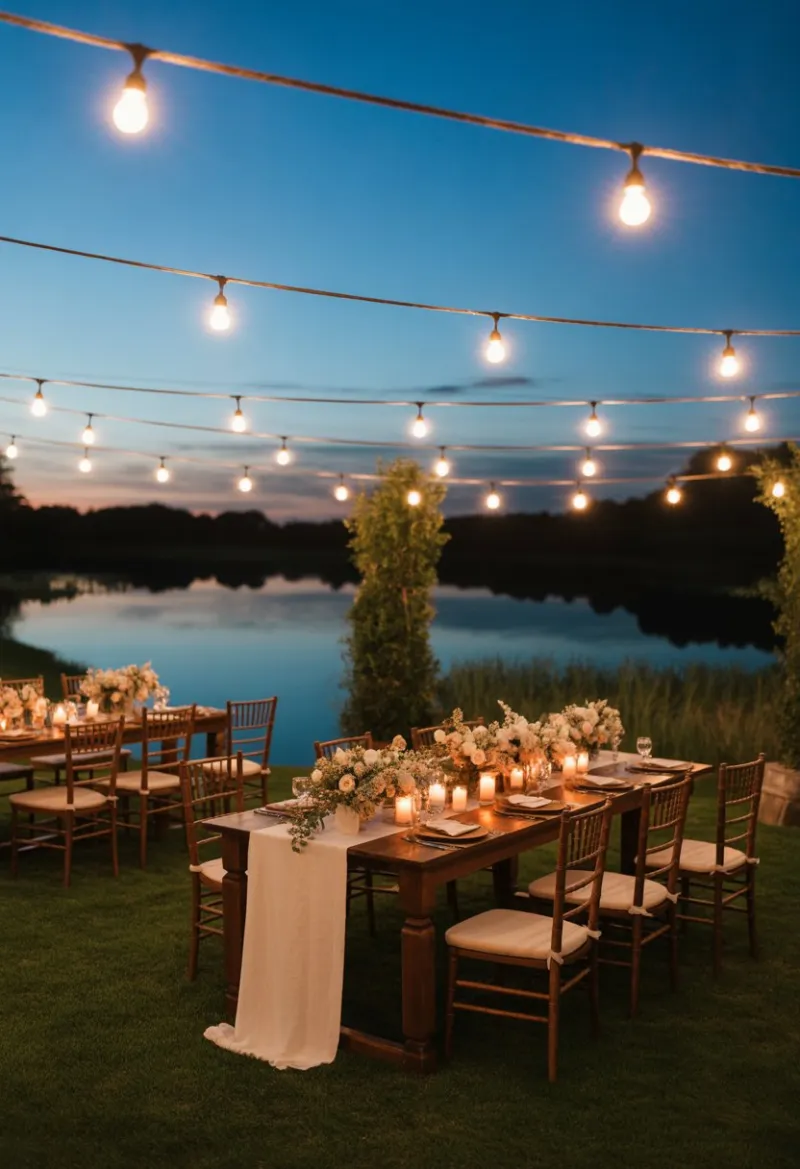
Photo: backyard lakeside wedding reception string lights dock sunset, via koala.sh
A New Kind of Waterfront Amenity
Walk along Lakeview's shoreline on a summer Saturday and you may notice something unexpected: rows of white folding chairs facing the water, a string of bistro lights swaying above a deck, and a crowd gathered near the dock for a ceremony timed to the sunset. Waterfront homes here are no longer just places to live. For a growing number of owners, they are places to gather — and that shift carries real implications for anyone shopping in the neighborhood.
Why Lakeview Properties Draw Celebrations
The appeal is straightforward. Few rental venues in the region can match the natural backdrop of an open shoreline, and even fewer come with the flexibility of a private residence. Weddings, milestone birthdays, retirement parties, and multigenerational family reunions all translate naturally to a lakeside setting. A level lawn, a broad deck, and an unobstructed view of the water accomplish what most event venues charge a premium to imitate.
For buyers, this matters in two ways. First, a home that can comfortably host fifty guests is also a home that can comfortably host holidays, graduations, and neighborhood cookouts — a lifestyle benefit in its own right. Second, event capability has quietly become a factor in resale appeal, particularly for buyers relocating from dense metro areas who prioritize outdoor entertaining space.
The Layout Features That Make a Home Event-Ready
Not every waterfront property can handle a crowd. Agents and longtime Lakeview residents point to a consistent set of features:
- Circulation space. Guests need to move between indoor and outdoor zones without bottlenecking in a kitchen. Open floor plans and multiple exterior doors help enormously.
- Parking. A long driveway, a generous turnaround, or nearby street access is often the deciding factor for larger gatherings. It is also the single most common source of neighbor friction.
- Restroom capacity. Homes with two or more bathrooms, or space to add a powder room, fare far better when hosting.
- Level outdoor terrain. A flat lawn near the water accommodates tents, chairs, and dance floors; a steeply graded lot does not.
- Power and lighting. Exterior outlets, weather-rated lighting, and strong Wi-Fi coverage across the property make events smoother and safer.
- Kitchen scale. Double ovens, oversized refrigerators, and generous counter space turn amateur catering into a workable plan.
When touring Lakeview listings, walk the property as if you were a guest arriving for a party. The gaps reveal themselves quickly.
The Income Question: Hosting for Hire
Some Lakeview owners have taken the trend further, renting their properties as private event venues. The revenue can be meaningful — a single weekend wedding can command several thousand dollars in a market where traditional venues book out a year in advance.
But treat any income projection with care. Short-term event hosting may conflict with local zoning ordinances, homeowners association rules, or deed restrictions. Municipalities increasingly regulate the frequency, size, and parking impact of private events. Before counting on venue income, verify what local codes permit and whether a special-use approval would be required.
Insurance Is Not Optional
Standard homeowner policies are written for residential living, not commercial-scale gatherings. Owners who host events — paid or unpaid — should review coverage with their carrier and consider:
- Liability limits. A guest injury on a dock or staircase can generate claims far beyond a typical policy's baseline. Umbrella coverage is commonly recommended.
- Liquor liability. Alcohol service at events introduces exposure that many standard policies exclude.
- Commercial endorsements. If events are hosted for compensation, most carriers require a business or special-event endorsement. Failing to disclose paid hosting can jeopardize a claim.
- Property damage. Large gatherings accelerate wear on flooring, landscaping, and shoreline structures.
An annual conversation with an insurance professional is one of the least expensive safeguards an event-hosting owner can buy.
The Neighbor Factor
Perhaps no element of event-ready ownership is more consequential than the relationship with adjacent properties. A single loud evening can undo years of goodwill on a close-knit shoreline street.
Experienced hosts in Lakeview follow an unwritten etiquette: notify neighbors in advance of large gatherings, share parking plans, enforce quiet hours, and — when events are frequent — offer a standing courtesy, whether that is an invitation or simply a heads-up calendar. Some owners formalize the arrangement in writing with adjacent properties, covering parking overflow and end times. Given the density of some waterfront blocks, this is less formality than necessity.
Evaluating Event Potential Before You Buy
If hosting is part of your vision for a Lakeview property, build these steps into your due diligence:
- Review local zoning and any HOA covenants for event and gathering restrictions.
- Confirm parking capacity with the municipality, not just the seller.
- Ask your insurance agent to model the cost of appropriate coverage before closing.
- Talk to neighbors about the street's tolerance for gatherings.
- Assess whether the layout truly supports crowd flow, or whether renovations would be required.
The Bottom Line
A waterfront home that can host a wedding is, at its core, a home designed around gathering — and that quality compounds across every season of ownership. Buyers who evaluate circulation, parking, insurance, and neighbor relations up front will find that Lakeview's shoreline offers not just a view, but a venue. The key is knowing which properties can carry the guest list, and at what cost.