Before You Buy on the Water: The Essential Checklist Every Lakeview Home Buyer Needs

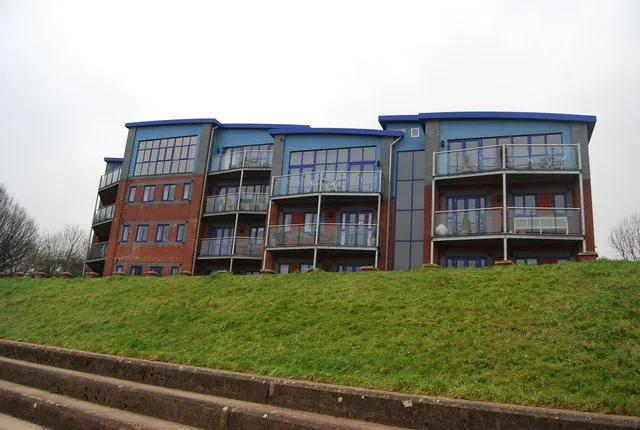
Photo: Christmas w/a K from Portland, USA, CC BY-SA 2.0, via Wikimedia Commons
There is something undeniably compelling about a home positioned along the water's edge. The morning light reflected across the lake, the gentle rhythm of small waves, the sense of space that only an open waterfront can provide — these qualities draw buyers to the Lakeview neighborhood year after year. Yet the romance of lakeside living, while genuine, can obscure a set of practical realities that every serious buyer must understand before committing to a purchase.
At Lakeviews on Reed, we believe that an informed buyer is a confident buyer. The following guide is designed to move beyond the aesthetics of waterfront property and into the structural, regulatory, and financial considerations that will define your experience as a lakeside homeowner.
Understanding Shoreline Erosion and Land Stability
Erosion is among the most underestimated risks associated with waterfront property ownership. Over time, wave action, fluctuating water levels, and storm runoff can gradually eat away at a shoreline, reducing the usable land area and, in more serious cases, threatening the structural integrity of the home itself.
Before making an offer on any Lakeview property, prospective buyers should request a professional shoreline assessment. A licensed geotechnical engineer or environmental consultant can evaluate the rate of erosion, identify any existing stabilization measures — such as riprap, retaining walls, or vegetative buffers — and project future risk. Aerial photography and historical survey records can also reveal how dramatically a particular shoreline has shifted over the past decade.
It is worth noting that some erosion mitigation strategies require permits from local or state environmental agencies. The cost and timeline associated with obtaining such permits should factor into your overall ownership budget from day one.
Navigating Water Quality Regulations
Lake water quality is governed by a patchwork of federal, state, and local regulations that directly affect what homeowners can and cannot do on their property. The Clean Water Act provides the overarching federal framework, but individual states — and even municipalities within the Lakeview area — may impose additional restrictions on fertilizer use, septic system placement, stormwater runoff, and dock construction.
Buyers should request copies of any existing environmental compliance documents associated with the property. If the home relies on a private septic system rather than a municipal sewer connection, a thorough inspection by a licensed septic professional is non-negotiable. Failing systems can result in costly repairs and, in some jurisdictions, mandatory upgrades before the property can be sold or transferred.
Additionally, inquire about the lake's current water quality designation. Some lakes carry advisories related to algae blooms, elevated phosphorus levels, or other contaminants that may restrict swimming, fishing, or recreational water use during certain seasons. These advisories can affect both your enjoyment of the property and its long-term resale value.
Seasonal Flooding Patterns and FEMA Flood Zone Classifications
Floodplain mapping is a critical element of any waterfront property evaluation. The Federal Emergency Management Agency (FEMA) maintains flood zone designations that classify properties based on their statistical likelihood of experiencing flooding. Homes located within a Special Flood Hazard Area (SFHA) — commonly referred to as the 100-year floodplain — are required by most mortgage lenders to carry flood insurance, which is an additional and often substantial annual expense.
However, FEMA maps are not always current. Buyers should verify that the flood zone designation for any property under consideration reflects recent topographic surveys and updated hydrological modeling. In some cases, a property owner can apply for a Letter of Map Amendment (LOMA) to correct an inaccurate designation, potentially eliminating the mandatory flood insurance requirement.
Beyond official flood zone classifications, speak with neighbors and local long-term residents about seasonal flooding patterns specific to the Lakeview area. Spring snowmelt, heavy summer rainfall, and late-season storms can all cause water levels to rise unexpectedly. Understanding the historical behavior of the lake adjacent to your prospective home will help you assess whether the property's elevation and drainage infrastructure are adequate.
The True Cost of Dock Ownership and Maintenance
A private dock is among the most coveted features of any lakefront property, and for good reason — it provides direct water access for boating, kayaking, fishing, and leisure. What many first-time waterfront buyers fail to anticipate, however, is the ongoing financial commitment that dock ownership entails.
Wood docks require regular sealing, staining, and board replacement to withstand constant moisture exposure and UV degradation. Aluminum and composite dock systems are more durable but carry higher upfront costs. Seasonal installation and removal — common practice in colder climates — adds labor expenses that recur annually. Underwater structural inspections, particularly for older docks, are advisable every few years to ensure the pilings or anchoring systems remain sound.
Permitting is another consideration. In many jurisdictions, dock construction or significant modification requires approval from state environmental agencies or the Army Corps of Engineers. Buyers should verify that any existing dock on the property was constructed with proper permits and confirm that those permits remain valid and transferable.
Waterfront Insurance: What Standard Policies Won't Cover
A standard homeowner's insurance policy is rarely sufficient for a waterfront property. Buyers entering the Lakeview market should plan to supplement their base coverage with several additional policies.
Flood insurance, as previously noted, is typically required for properties in designated flood zones and is purchased separately through the National Flood Insurance Program (NFIP) or a private carrier. Rates vary significantly based on the property's elevation, construction type, and proximity to the water.
Boat and watercraft insurance covers liability and physical damage related to any vessels kept at your dock. Umbrella liability policies are also worth considering, given the elevated risk of accidents associated with water-based recreational activities on or adjacent to your property.
Finally, ask your insurance broker specifically about coverage for shoreline damage, dock structures, and seawall repair. These elements are frequently excluded from standard policies and may require separate riders or endorsements.
Working with a Waterfront-Experienced Real Estate Professional
Not every real estate agent has experience navigating the specific complexities of lakefront transactions. When purchasing a Lakeview property, seek out a buyer's agent with a demonstrated track record in waterfront sales. Such professionals will be familiar with local riparian rights — the legal rights of property owners adjacent to a body of water — as well as any easements, setback requirements, or shared-access agreements that may affect your use of the property.
A thorough title search conducted by a real estate attorney is equally important. Waterfront properties sometimes carry encumbrances that are not immediately apparent, including public access easements along the shoreline, shared dock agreements with neighboring properties, or restrictions on future development.
Making a Confident Decision
The appeal of waterfront living in the Lakeview neighborhood is not in question — it is well-founded and enduring. What separates a sound investment from a costly surprise is the depth of research a buyer brings to the process. Erosion assessments, regulatory compliance reviews, flood zone verification, insurance planning, and dock inspections are not obstacles to ownership; they are the foundations upon which confident, long-term lakeside living is built.
At Lakeviews on Reed, our listings are presented with transparency and our team is committed to connecting buyers with the resources and expertise needed to evaluate every property thoroughly. The water's edge awaits — approach it with your eyes wide open.