Why More Lakeview Residents Are Choosing Waterfront Apartments Over Houses — And Never Looking Back
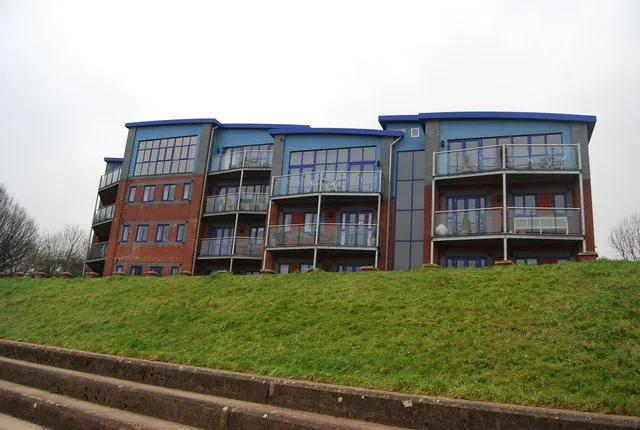
Photo: Nigel Chadwick, CC BY-SA 2.0, via Wikimedia Commons
For generations, the aspirational image of lakefront living centered on a detached home with a private yard, a dock out back, and unobstructed water views from every window. That vision still has its appeal. But in the Lakeview neighborhood, a different model is quietly gaining ground — one defined not by square footage or property lines, but by access, convenience, and a fundamentally different relationship with the lake itself.
Waterfront apartments and lakeside condominiums are no longer a fallback option for those who cannot afford a standalone home. Increasingly, they are the deliberate first choice of a diverse and growing segment of the residential market. Understanding why requires a closer look at who is making this decision — and what they are gaining from it.
The Financial Case Is Stronger Than Many Expect
Let us begin with the numbers, because they are difficult to argue with. In the Lakeview market, the price-per-square-foot for a detached single-family waterfront home routinely exceeds that of comparable lakeside apartment units — often by a margin of 30 to 50 percent, depending on location, lot size, and shoreline access. When you factor in property taxes, homeowner's insurance, maintenance reserves, and the specialized costs associated with waterfront ownership (dock upkeep, erosion mitigation, flood insurance), the monthly financial burden of owning a lakefront house climbs considerably higher than the sticker price suggests.
Renters in Lakeview waterfront apartments, by contrast, enjoy a largely fixed monthly cost structure. Maintenance is handled by property management. Insurance is limited to a renter's policy covering personal belongings. Capital expenditures — a new roof, a failed HVAC system, a deteriorating seawall — are not the tenant's concern. For renters who value financial predictability, this distinction is not minor; it is transformative.
National data reinforces this trend. According to the Harvard Joint Center for Housing Studies, the share of American households choosing to rent rather than own has remained elevated since the post-2008 housing correction, particularly among adults aged 25 to 44 and those over 65. In desirable urban neighborhoods with premium amenities — a category that Lakeview comfortably occupies — rental demand has grown disproportionately as home prices have outpaced wage growth.
The Demographic Shift Behind the Trend
Two distinct populations are driving the surge in demand for Lakeview waterfront rentals, and they arrive at the same conclusion from opposite ends of the life-stage spectrum.
The first group is younger professionals and remote workers who have relocated to or remained in Lakeview seeking lifestyle-forward housing. For this cohort, the lake is not a backdrop — it is the amenity. They want morning runs along the waterfront path, paddleboard access on weekends, and rooftop terraces with unobstructed views of the water. They are not particularly interested in mowing lawns or managing contractors. They want the experience of lakeside living without the administrative weight of property ownership, and a well-appointed waterfront apartment delivers precisely that.
The second group is downsizers — typically empty nesters in their 50s and 60s who have sold larger suburban homes and are seeking a less encumbered lifestyle in a more vibrant setting. Many of these individuals have spent decades managing the demands of homeownership and are consciously choosing to relinquish those responsibilities. The Lakeview waterfront apartment market has become an increasingly attractive destination for this demographic, offering the premium amenities and scenic setting they desire without the maintenance obligations they are ready to leave behind.
Together, these two groups are reshaping the demand profile for rental properties in the neighborhood — and developers have taken notice.
Modern Amenities Are Redefining What "Apartment Living" Means
The lakeside apartment buildings emerging in and around the Lakeview neighborhood bear little resemblance to the rental stock of previous decades. Contemporary waterfront developments increasingly feature private boat slips or shared dock access, on-site kayak and paddleboard storage, resort-style fitness centers, co-working lounges, rooftop entertaining spaces, and concierge services — amenities that would cost tens of thousands of dollars to replicate independently in a standalone home.
For residents who value these features, the apartment model offers something that homeownership simply cannot: the ability to enjoy premium shared infrastructure without bearing its full cost individually. A private dock on a single-family lakefront home might cost $15,000 to $40,000 to construct and maintain over a decade. Access to a shared, professionally maintained dock facility through a well-managed apartment community is included in the monthly rent — or available for a modest additional fee.
This amenity-rich rental model also appeals to residents who travel frequently or maintain multiple residences. When your building handles grounds maintenance, exterior upkeep, and facility management, the property does not become a burden during extended absences. The lake is there when you want it, and the property takes care of itself when you do not.
Flexibility in an Uncertain Market
There is another dimension to this conversation that deserves candid acknowledgment: the housing market's ongoing volatility has made the long-term financial calculus of homeownership genuinely complicated for many buyers.
Rising mortgage interest rates, elevated home prices relative to local incomes, and uncertainty about future property values have prompted a growing number of would-be buyers to reconsider the timeline of their purchase. Renting a waterfront apartment in Lakeview allows these individuals to establish themselves in the neighborhood — to build community, understand the local market, and enjoy the lakeside lifestyle — without locking capital into a real estate transaction that may not pencil out favorably in the near term.
This is not a retreat from ambition. For many residents, it is a strategic pause that preserves optionality while delivering immediate quality of life. When market conditions shift, those residents will be well-positioned to make a purchase from a place of knowledge rather than urgency.
What This Means for the Lakeview Rental Market
Demand for quality waterfront rentals in Lakeview continues to outpace supply in many segments of the market. Vacancy rates for well-located, amenity-rich lakeside units remain low, and asking rents have shown consistent upward pressure over the past several years — a dynamic that reflects both the desirability of the neighborhood and the structural undersupply of premium rental product along the waterfront.
For prospective renters, this means acting decisively when a suitable unit becomes available. For the neighborhood as a whole, the growing preference for waterfront apartment living signals a maturing and diversifying residential market — one in which ownership and rental coexist not as competing tiers, but as genuinely distinct lifestyle choices serving different needs equally well.
Finding Your Place on the Water
At Lakeviews on Reed, we have watched this evolution unfold with genuine enthusiasm. The Lakeview waterfront has always been one of the most compelling residential settings in the region, and the expansion of high-quality rental options has made it accessible to a broader range of residents than ever before.
Whether you are a first-time renter seeking your inaugural lakeside address, a downsizer ready to trade the yard for the view, or a professional drawn to the energy and lifestyle of the Lakeview neighborhood, the waterfront apartment market has something meaningful to offer. The lake does not care whether you rent or own. It simply invites you to show up and enjoy it.