Where the Day Actually Happens: How Lakeview's Docks Became the Real Living Room
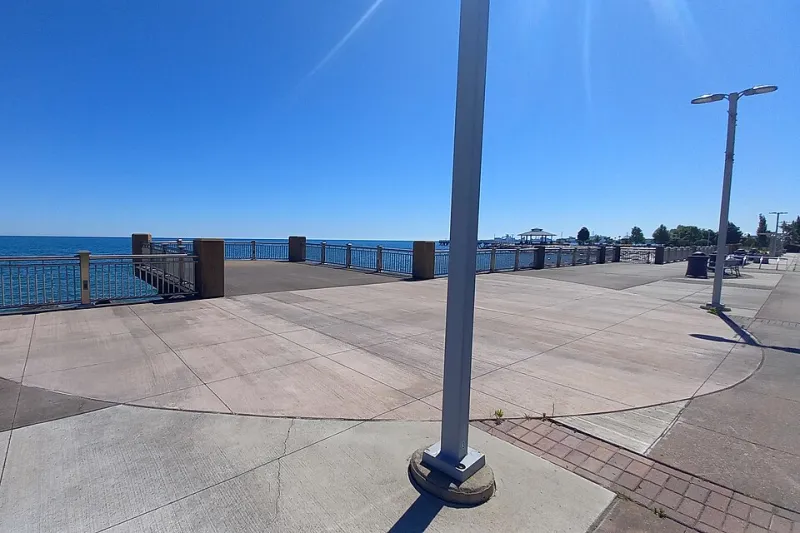
Photo: AlphaBeta135, CC BY 4.0, via Wikimedia Commons
Ask a Lakeview homeowner where they spend the most waking hours at home, and the answer is increasingly not the kitchen, the den, or even the deck. It's the dock.
What was once a narrow stretch of planking reserved for tying off a fishing boat has become, in many waterfront neighborhoods, the true heart of the property. On a warm Saturday morning along the shoreline, you'll find residents flowing through yoga sequences on floating platforms, grilling at dockside kitchens, and lingering over coffee as pontoon traffic drifts past. The dock has evolved into something closer to an outdoor great room — and for buyers evaluating waterfront properties, understanding this shift matters more than ever.
From Storage Space to Social Space
The transformation follows a familiar American pattern: the garage became the workshop, the basement became the rec room, and now the dock has become the gathering place. Real estate professionals in lake communities have watched the trend accelerate over the past several years, driven partly by the pandemic-era embrace of outdoor living and partly by a boom in affordable marine-grade furnishings and lighting.
The result is a new hierarchy of waterfront amenities. Where a listing once highlighted a finished basement or a screened porch, today's most compelling waterfront marketing leads with what's at the end of the walkway — a covered lounge area, a wet bar, a fire table positioned to catch the sunset off the water.
Three Tiers of the Modern Entertainment Dock
Not every upgrade requires a contractor and a five-figure budget. Lakeview owners tend to work through three distinct levels of investment.
The Essentials (roughly $500–$2,500). Weather-resistant lounge seating, a portable grill station, solar string lighting, and a sturdy umbrella can convert a bare-bones dock into a genuine destination. Marine-rated furniture has come down considerably in price, and most of these additions require no permits at all.
The Comfort Build ($5,000–$15,000). This tier adds structural improvements: widened decking, a shaded pergola or canopy, built-in benches with storage, dedicated dock lighting on a timer, and a small outdoor kitchen or bar counter. Homeowners at this level typically consult a marine contractor to confirm load capacity and electrical requirements.
The Full Headquarters ($20,000 and up). At the top end, docks become true extensions of the home — plumbed wet bars, televisions rated for outdoor exposure, built-in seating walls, integrated boat lifts with remote controls, and even swim platforms with ladders and kayak racks. These projects demand engineered plans and, almost always, formal approval.
Know the Rules Before You Build
This is where waterfront dreams can run aground. Dock construction and modification in most lake communities fall under a patchwork of regulations, and the distinctions matter.
Private docks — those serving a single property — generally offer the most freedom, but even here, homeowners usually need permits for structural changes, electrical work, or expansions beyond the original footprint. Setback requirements, maximum square footage, and height limits often apply, and lake associations or municipal zoning boards may review aesthetic standards.
Shared or community slips operate under stricter rules. If your deeded access covers a common dock, you likely cannot attach permanent structures, run wiring, or install fixed furniture without association approval. Many Lakeview-style communities allow portable items only — think folding chairs, a rolling cooler, and clip-on lights. Before purchasing a property with shared access, review the covenants carefully; the difference between a private and shared slip can be the difference between a full outdoor kitchen and a picnic basket.
Environmental considerations add another layer. Docks over the water can affect fish habitat, shoreline vegetation, and water flow, which is why state natural resources agencies and the Army Corps of Engineers may have jurisdiction on certain lakes. A quick call to the local zoning office before any project can save thousands in fines and rework.
What This Means for Buyers and Sellers
For buyers, an upgraded dock can represent significant value — but verify that improvements were permitted. An unpermitted dock expansion becomes the new owner's problem at closing. Conversely, a modest dock on a property with room and clear approval pathways to expand offers genuine upside.
For sellers, the message is straightforward: stage the dock like you would the living room. A few lounge chairs, lighting, and a set table at golden hour photograph beautifully and signal the lifestyle buyers are shopping for.
The deck had its century. Along the Lakeview shoreline, the view has moved to the end of the pier — and the smartest buyers are already picturing their first evening out there, string lights glowing, grill warming, boats easing home across the water.