Reading the Water Before You Sign: A Lakeview Buyer's Guide to Flood Zones, FEMA Maps, and Closing-Day Insurance Costs
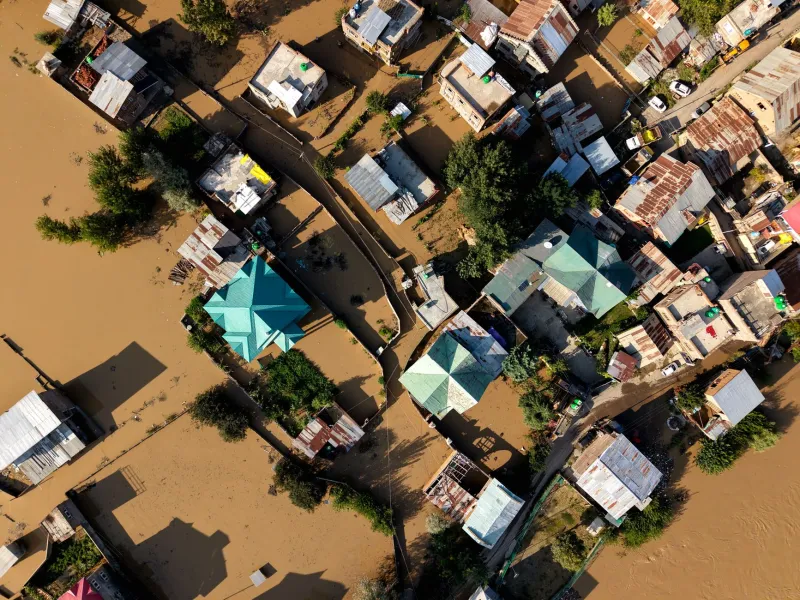
For most buyers drawn to Lakeview's shoreline, the view sells itself. The paperwork that follows, however, deserves just as much attention — particularly when it comes to flood insurance. Unlike homeowners insurance, which is broadly familiar, flood coverage carries its own vocabulary, federal programs, and lender requirements. Understanding these before you make an offer can save you thousands of dollars and prevent unwelcome surprises at closing.
Why Flood Insurance Works Differently Than You Might Expect
Standard homeowner policies do not cover flood damage. This is a common misconception that catches many first-time waterfront buyers off guard. Flood protection in the United States is typically provided through the National Flood Insurance Program (NFIP), administered by FEMA, though a growing number of private insurers now offer alternatives — sometimes with higher coverage limits and more flexible terms.
Because flood risk is assessed at the property level rather than the individual level, two homes on the same street can carry dramatically different premiums depending on elevation, foundation type, and proximity to the water. That variability is precisely why due diligence matters.
Step One: Locate the Property on FEMA's Flood Maps
Your first stop should be the FEMA Flood Map Service Center (msc.fema.gov), where you can search any address and view its official flood hazard designation. The key zone categories to understand:
- Zone X (unshaded): Minimal flood risk. Flood insurance is typically optional and inexpensive.
- Zone X (shaded) or Zone B/C: Moderate risk. Coverage is optional but often prudent near water.
- Zone A or AE: High risk, with a 1% annual chance of flooding (the "100-year floodplain). Lenders will require coverage.
- Zone V or VE: High-risk coastal zones with additional wave-velocity hazards, which carry the steepest premiums.
Print the map panel for any property you're serious about. It becomes a reference point for both your insurance quote and any future resale conversations.
Step Two: Confirm What Your Lender Will Require
Under federal law, any federally backed mortgage on a property in a high-risk flood zone must carry flood insurance for the full term of the loan. In practice, this means:
- Your lender will order a Standard Flood Hazard Determination during underwriting to officially classify the property.
- If the property sits in a Special Flood Hazard Area (SFHA), you'll need an NFIP or private flood policy in place before closing — lenders will not fund without proof of coverage.
- Loan amounts exceeding NFIP coverage caps ($250,000 for the structure on most residential policies) often require supplemental private coverage.
Ask your loan officer early in the process whether a flood determination has been ordered. Waiting until the final week of underwriting is how closings get delayed.
Step Three: Estimate the Annual Premium
Premiums for NFIP policies are determined largely by the property's elevation relative to the Base Flood Elevation (BFE). Here's how to get a realistic number:
- Request an Elevation Certificate. If the seller has one — and many Lakeview waterfront owners do — it can dramatically refine the quote. If not, a licensed surveyor can produce one for several hundred dollars, an expense that often pays for itself in premium savings.
- Get quotes from both NFIP and private carriers. A local independent insurance agent can shop both markets. For higher-value Lakeview homes, private policies frequently offer broader coverage at competitive rates.
- Ask about grandfathering and rate-cap rules. If the property was previously insured, existing NFIP ratings may transfer, sometimes at favorable rates.
- Factor in contents coverage. Structure-only policies leave your furnishings, electronics, and belongings unprotected. Contents coverage is a modest add-on with outsized value.
As a rough frame of reference: a property in a moderate-risk zone might carry a preferred-risk policy for a few hundred dollars a year, while a high-risk Zone AE property with an elevation below BFE can run well into four figures annually. Local agents we spoke with consistently advise buyers to obtain a written, property-specific quote during the inspection period — not after.
Step Four: Ask the Right Questions Before You Waive Contingencies
During due diligence, put these questions to the seller's agent and your own insurance contacts:
- Has the property ever filed a flood insurance claim? Claims history affects insurability and can signal vulnerability.
- Are there any pending FEMA map revisions for this area? Remapping can move a property into — or out of — a high-risk zone.
- Is the home elevated, and is there documentation of the elevation relative to BFE?
- Are there community-level flood mitigation projects (levees, drainage improvements, CRS ratings) that reduce local premiums?
Communities participating in FEMA's Community Rating System (CRS) earn discounts on NFIP premiums for all policyholders — sometimes 5% to 25%. It's worth confirming whether Lakeview's relevant jurisdictions hold a CRS classification.
Budgeting With Confidence
The buyers who navigate flood insurance most successfully treat it as a research project with a deadline. Pull the FEMA map early. Order or request an elevation certificate. Get two or three written quotes. And keep a paper trail — the same documentation that secures your closing will also support any future sale.
Waterfront living in Lakeview rewards those who plan. The water will still be there on closing day; with the right preparation, so will your budget.