The Outdoor Square Footage You're Not Counting: A Buyer's Guide to Decks, Docks, and Waterfront Patios in Lakeview
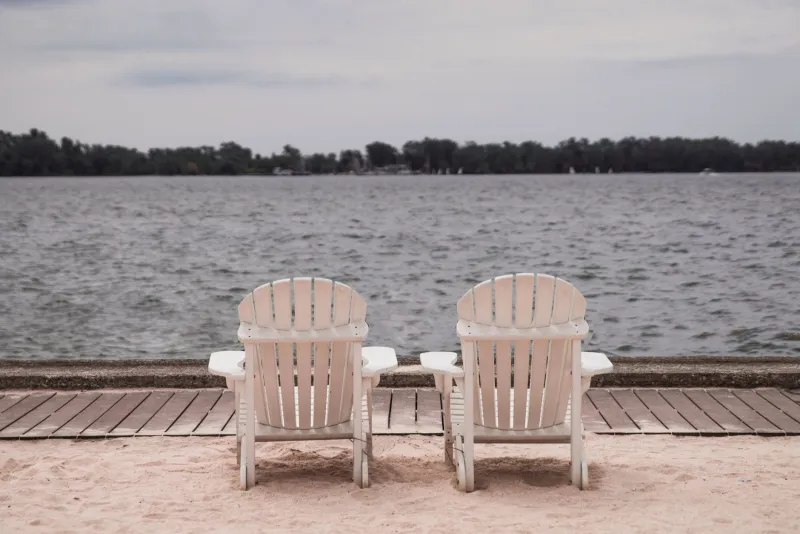
When buyers tour a Lakeview waterfront property, their attention tends to gravitate where the listing photos point: the view, the water line, the way afternoon light fills the great room. Yet some of the most valuable — and most expensive to repair — square footage on any waterfront lot sits just outside the back door.
Outdoor living space functions as an extension of the home. A well-built deck or terrace effectively adds a seasonal room, and appraisers and future buyers will notice the difference. But unlike interior rooms, exterior structures age in plain sight and under punishing conditions. Wind, moisture, freeze-thaw cycles, and sun exposure all take a toll. Before you fall in love with a sunset view, take the time to inspect what you'll be standing on while you enjoy it.
Start With Structure, Not Scenery
Beautiful railings and stylish composite boards can conceal serious problems underneath. When evaluating a deck or balcony, ask to see it from below. Look for:
- Ledger attachment. The horizontal board that connects the deck to the house is the single most common failure point. It should be secured with lag bolts or structural screws — not nails — and flashed to keep water out of the wall.
- Post bases and footings. Posts should rest on concrete footings, not buried wood or blocks sitting on soil. Waterfront lots in particular see soil movement and seasonal saturation.
- Fastener condition. Rusted screws and joist hangers signal age and potential weakening. Corrosion stains running down treated lumber are a telltale sign.
- Rail height and spacing. Current US residential codes generally call for guardrails at least 36 inches high with baluster gaps under four inches, especially on elevated structures.
If the seller permits it, a professional home inspector should evaluate any elevated structure. Deck collapses are rare but serious, and waterfront properties often host larger gatherings — meaning more live load than the average backyard platform.
Read the Sun Like a Local
Orientation matters more on the water than it does inland. A west-facing deck on a lake can be glorious in September and unbearable in July, when low-angle evening sun turns the surface into a griddle. Conversely, a north-facing patio may stay cool and comfortable but miss the golden-hour views that drew you to the water in the first place.
Visit the property at more than one time of day if possible. Note where shade falls in late afternoon, whether neighboring roofs or mature trees block the sunset, and how wind off the open water affects comfort. A pergola, retractable awning, or mature shade tree can mitigate exposure — but factor those additions into your offer.
Privacy Is a Finite Resource on the Shoreline
Waterfront lots often sit closer together than buyers expect, and sightlines that feel private in winter can feel exposed in summer when foliage is thin and neighbors are outdoors. Stand on the deck or patio and honestly assess what you can see — and who can see you. Second-story homes behind the property, shared access paths, and community walkways along the shore all affect how usable a space actually feels.
Screens, plantings, and strategic fencing can restore seclusion, but many lakeside communities have height and material restrictions for exactly these modifications. Check HOA covenants and local zoning before assuming you can screen out the neighbor's porch.
Dock Access Deserves Equal Scrutiny
On Lakeview properties, the dock is often the centerpiece of outdoor living — and a common blind spot. When touring, evaluate:
- Structural condition. Check for soft or sponging boards, wobbly pilings, and corroded hardware. Winter ice heave and boat impact cause cumulative damage that isn't always visible from the shore.
- Permits and legality. Docks on most US waterways require permits, and some are grandfathered under rules that would not allow a new structure today. Ask for documentation.
- Water depth at the end of the dock. Shallow water limits boat use and shifts with seasonal levels and sediment accumulation.
- Seasonal requirements. In northern climates, docks may need removal each fall — a recurring chore and expense worth budgeting for.
The Maintenance Ledger Behind the View
Every exterior surface by the water works harder than its inland equivalent. Wood decking near a lake may need cleaning and sealing every one to two years. Metal railings face accelerated corrosion from constant moisture. Composite materials reduce upkeep but carry a higher upfront cost. A breathtaking view can absolutely hide five figures of deferred maintenance — a cracked patio slab, a failing seawall cap, a dock approaching the end of its service life.
Request maintenance records, ask when structures were last professionally inspected, and price repairs into your negotiation. A modest adjustment to your offer is the cheapest renovation you'll ever make.
The Bottom Line for Lakeview Buyers
Outdoor space is where waterfront living is actually lived — morning coffee, evening gatherings, the quiet hour when the water turns to glass. Treat it as livable square footage, inspect it with the same discipline you'd apply to the foundation, and you'll ensure the space you're buying performs as beautifully as the view it comes with.