The Quiet Season Advantage: Why Winter House-Hunting in Lakeview Pays Off
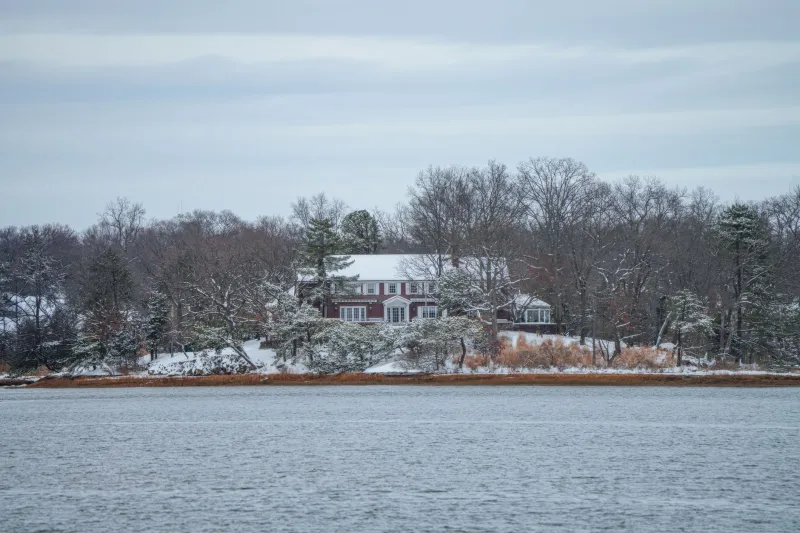
Spring may bring blooming shorelines and packed open houses, but along Lakeview's waterfront streets, winter tells a more honest story. For buyers willing to bundle up, the coldest months of the year offer a rare combination of leverage, transparency, and breathing room that simply doesn't exist in peak season.
Why Fewer Buyers Means Stronger Position
Waterfront inventory in Lakeview traditionally thins out between November and March, but so does the crowd. Serious winter shoppers face measurably less competition, which translates into longer decision timelines, fewer bidding wars, and sellers who are often more receptive to negotiation.
There's a well-documented pattern in seasonal markets: properties listed in winter tend to sit longer, and sellers carrying a listing through the holidays are frequently motivated by circumstances — a job relocation, a completed purchase elsewhere, or tax-planning deadlines. That motivation can show up as price flexibility, closing-date accommodation, or concessions on repairs that would be fiercely contested in April.
What Winter Reveals That Summer Hides
A waterfront home in July is performing at its best. The same property in January is under audit. Cold weather exposes the very issues that matter most in a lakeside purchase:
- Drainage and runoff. Snowmelt and ice dams quickly reveal whether grading, gutters, and drainage systems were engineered properly — a critical concern near the water.
- Insulation and heating efficiency. Ask for utility statements from the past 12 months. A lakefront home with drafts or an aging furnace will show up clearly in January bills.
- Shoreline condition. Ice, wind, and fluctuating water levels stress seawalls, retaining walls, and docks. Winter is when structural weaknesses at the water's edge become visible.
- Window and door seals. Condensation, frost patterns, and cold spots near glass are far easier to detect when temperatures drop.
In other words, winter doesn't just tolerate inspection — it performs part of it for you.
An Off-Season Buyer's Timeline
A structured approach keeps a winter purchase moving smoothly:
Weeks 1–2: Define your criteria. Identify which Lakeview streets and view corridors fit your budget, and request utility histories and disclosure documents early.
Weeks 3–4: Tour in all conditions. Visit properties on both a bright, calm day and during wind or precipitation. Walk the shoreline access, check for ice damage on hardscaping, and note how driveways and walkways handle snow removal.
Weeks 5–6: Inspect thoroughly. Hire an inspector experienced with waterfront properties, and consider adding specialists for seawalls, well or septic systems, and HVAC performance under load.
Weeks 7–10: Negotiate and close. With fewer competing offers, you have room to request credits for cold-weather findings. Confirm flood insurance quotes early, since underwriting timelines can affect closing dates.
Red Flags to Catch Before You Offer
Not every winter blemish is a dealbreaker, but a few warrant hard questions:
- Recurring ice dams or large icicle formations along the roofline, which suggest ventilation or insulation gaps
- Standing water or unusually saturated ground between the home and the shoreline
- Heaving, cracking, or tilting in patios, seawalls, or dock pilings
- A furnace or heat pump that runs constantly without maintaining temperature
- Sellers reluctant to share winter utility costs
None of these automatically disqualify a home, but each should be priced into your offer or addressed through negotiation.
The Case for Shopping Early
Buyers who close in late winter often step into spring with a distinct advantage: they're already in the home before peak season's appreciation and competition arrive. They've weathered the toughest test a Lakeview property can face — and they know exactly what they own.
If you've been waiting for the right moment to explore Lakeview's waterfront, consider that the quietest weeks on the shore may be the most revealing ones. Bring a good coat, a sharp eye, and a patient agent. The water isn't going anywhere — and neither are the opportunities it offers.