From Homeowner to Landlord: A Practical Primer on Renting Out Your Lakeview Waterfront Property
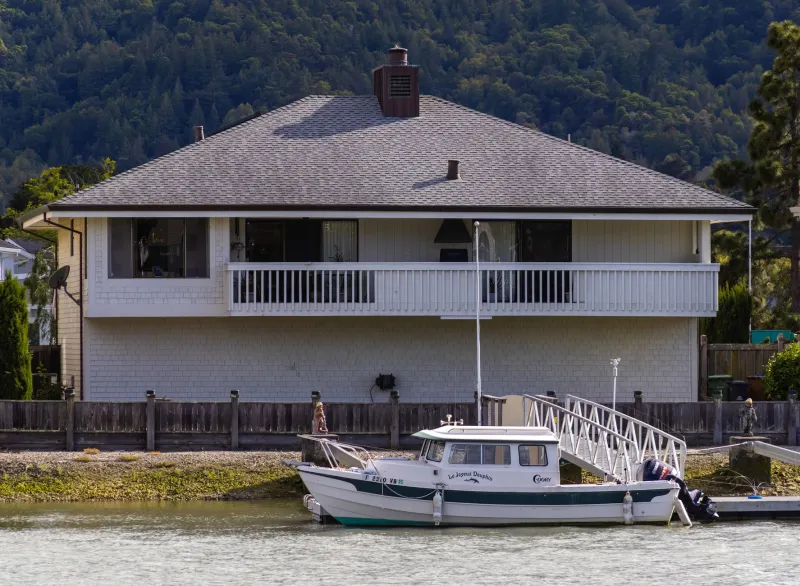
The decision to lease out a Lakeview property often begins as a practical one: a job relocation, an inherited home, or a plan to build equity while renting elsewhere. Whatever the catalyst, first-time landlords in a waterfront market face a distinct set of questions that go well beyond finding a tenant. Before listing your property, it pays to understand the legal, financial, and operational landscape — and to be honest about whether waterfront ownership as a rental suits your temperament and budget.
Know the Legal Ground Before You Advertise
Landlord-tenant law in the United States is governed by a patchwork of state statutes and municipal ordinances, and Lakeview landlords must comply with whichever jurisdiction applies to their specific property. At minimum, familiarize yourself with:
- Security deposit rules, including caps, holding requirements, and deadlines for returning funds
- Habitat and habitability standards, which are typically stricter for properties near water where moisture, mold, and drainage issues can arise
- Fair housing requirements under the federal Fair Housing Act, which prohibit discrimination in advertising, screening, and lease terms
- Eviction procedures, which in nearly every state require formal notice and a court process rather than self-help measures
Waterfront properties can add another layer. If your lot includes a dock, shared shoreline access, or deeded water rights, the lease should clearly define what the tenant may use, maintain, or restrict. Ambiguity about a private dock — who may moor a boat, who carries liability if a guest is injured — is one of the most common disputes new landlords encounter.
Insurance: The Coverage Most First-Time Landlords Underestimate
A standard homeowner's policy does not cover a tenant-occupied property. Once you lease, you will need a landlord, or dwelling fire, policy, and on the waterfront the differences matter considerably.
Flood coverage is typically purchased separately through the National Flood Insurance Program or a private carrier, and premiums in coastal or lakeshore zones can be substantial. Wind and hail deductibles are often calculated as a percentage of dwelling value rather than a flat amount. Budget for these figures before you set rent, not after.
You should also require tenants to carry renter's insurance and name you as an interested party. It is a modest ask that protects both sides, and most prospective tenants in a market like Lakeview will expect it.
Pricing a Waterfront Rental Realistically
It is tempting to price a Lakeview home against the strongest comparable listing you can find. A more disciplined approach looks at three data points:
- Recent lease closings, not active asking rents, for similar waterfront or water-view properties
- Seasonality, since demand for lakeside rentals often peaks in late spring and summer, with longer vacancies in winter
- Total carrying cost, including mortgage, taxes, insurance, flood coverage, maintenance, and any HOA or dock association dues
A common mistake is setting rent to cover the mortgage alone. If the market will not bear that number, an extended vacancy costs more than a slightly lower monthly rate. Many first-time landlords also overlook reserves — a rule of thumb is to set aside one to two percent of the property's value annually for maintenance, and waterfront homes often sit at the high end of that range given exposure to moisture, sun, and storm conditions.
Self-Managing Versus Hiring a Property Manager
Managing your own rental can save eight to twelve percent of monthly rent, the typical fee range for professional management in many US markets. Whether that saving is worth it depends on your proximity, availability, and appetite for the work.
Consider professional management if:
- You live more than an hour away, making emergency repairs difficult
- Your property has waterfront features — docks, seawalls, boat lifts — that require specialized vendors
- You would rather not handle tenant screening, showings, and late-night calls
If you self-manage, invest in a written lease reviewed by a local attorney, a documented move-in inspection with photographs, and a reliable list of contractors for plumbing, roofing, and dock repair. Waterfront emergencies rarely wait for business hours.
The Frank Calculus: Risks and Rewards of Waterfront Tenancy
The rewards are real. Waterfront and water-view homes in desirable neighborhoods tend to attract committed tenants, command premium rents, and appreciate steadily over time. A well-maintained Lakeview rental can serve simultaneously as income, appreciating asset, and a future home for you or your family.
The risks deserve equal attention. Waterfront homes face higher insurance costs, greater maintenance demands, and more exposure to severe weather. Tenant turnover in seasonal markets can leave units vacant precisely when carrying costs are highest. And the same features that make the property attractive — the deck, the dock, the shoreline — concentrate liability in ways a standard interior lot does not.
A Sensible Sequence for Your First Lease
For most first-time landlords, the path forward looks like this: verify local rental ordinances and any HOA restrictions, obtain a landlord policy and confirm flood coverage, have a lease drafted or reviewed locally, screen tenants with written criteria applied consistently, document the property thoroughly at move-in, and decide honestly whether self-management fits your schedule. Take those steps in order, and the transition from homeowner to landlord becomes far less daunting — and considerably more profitable — than the horror stories suggest.