What Waterfront Living in Lakeview Actually Costs: Expenses Every Buyer Should Anticipate
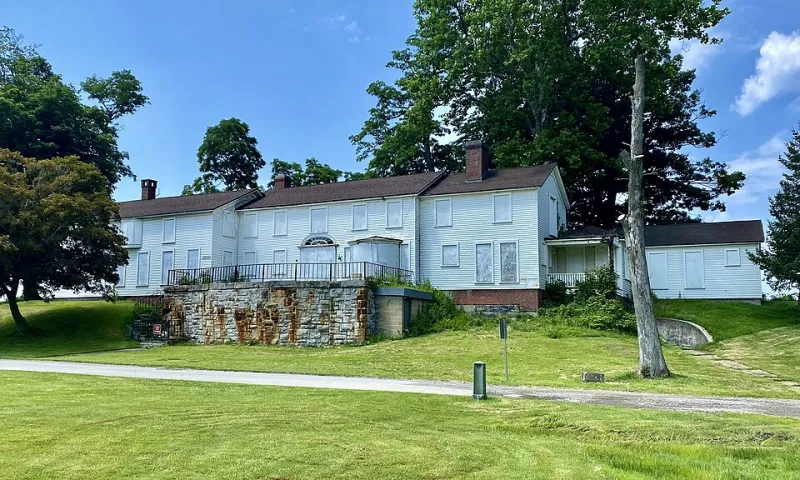
Photo: Andre Carrotflower, CC BY-SA 4.0, via Wikimedia Commons
There is a particular kind of joy that comes with waking up to water. The morning light on the lake, the sound of gentle waves, the sense of living at nature's edge — these are the qualities that draw buyers to Lakeview's waterfront properties year after year. But behind the beauty lies a financial reality that listing sheets rarely capture in full. For every buyer who falls in love with a lakeside address, there are carrying costs that extend well beyond the mortgage payment.
This guide is not intended to discourage waterfront homeownership. Rather, it is designed to ensure that prospective buyers enter the market with a complete picture of what sustained lakefront living truly requires.
The Insurance Gap No One Warns You About
Standard homeowners insurance policies are not written with waterfront properties in mind. Homes situated along the lake in Lakeview typically require supplemental flood insurance, and in many cases, additional riders for water damage, dock coverage, and erosion-related losses.
Flood insurance through the National Flood Insurance Program (NFIP) averages between $700 and $1,500 annually for residential properties, though premiums in high-risk flood zones can climb considerably higher. Private flood insurance, which some lenders now require for properties in designated Special Flood Hazard Areas, can push annual costs even further.
"When we bought our home on the north shore, we budgeted for flood insurance," says one longtime Lakeview homeowner who requested anonymity. "What we didn't anticipate was the separate policy required to cover our dock, or the liability coverage our insurer recommended once we started having guests on the water. By the time we added everything up, our insurance costs were nearly double what we'd planned."
Buyers should request a full insurance analysis from an independent broker before closing, specifically one with experience in waterfront residential properties in the Chicago metro region.
Shoreline Maintenance and Erosion Control
Lakeview's lakefront properties sit along a dynamic natural boundary. Shoreline erosion is not a hypothetical concern — it is an ongoing process that, left unmanaged, can diminish both property value and structural stability.
Riprap installation, which involves placing large stones along the water's edge to deflect wave energy, typically costs between $150 and $400 per linear foot depending on the severity of erosion and site accessibility. Seawall repairs — a common necessity for older lakefront homes — can run from $10,000 to well over $50,000 for substantial sections. Native shoreline plantings, which many municipalities now encourage as an environmentally responsible alternative to hard armoring, require initial installation costs plus ongoing maintenance.
Local landscape contractors familiar with lakefront properties note that erosion-related work is not a one-time expense. Annual inspections and periodic reinforcement are standard practice for responsible shoreline stewardship.
Seasonal Upkeep: A Year-Round Commitment
Waterfront properties in Lakeview experience the full range of Midwestern seasons, and each season brings its own maintenance demands.
In spring, buyers should anticipate costs associated with dock reinstallation, inspection of any retaining structures after winter ice, and clearing of debris deposited by high water. Summer brings routine dock maintenance, watercraft storage if applicable, and pest management — particularly mosquito control, which is both a comfort issue and a health consideration near standing water.
Fall demands preparation: dock removal and storage, winterization of any water-facing mechanical systems, and inspection of weatherproofing. Winter, though quieter on the surface, is often when ice damage to docks, seawalls, and shoreline plantings occurs.
One property manager who oversees several lakefront rentals in the neighborhood estimates that seasonal upkeep adds between $3,000 and $8,000 annually to operating costs for a typical single-family waterfront home — an expense that rarely appears in buyer calculations.
Dock and Pier Ownership: More Than a Convenience
For properties with private docks or pier access, the costs extend further. Dock permits, where required by local ordinance, carry annual fees. Structural inspections, recommended every three to five years, typically cost several hundred dollars. Dock boards, hardware, and flotation components have finite lifespans and require periodic replacement.
Buyers should also verify whether a dock is permitted, grandfathered, or unpermitted before purchase. Unpermitted structures can create complications at resale and may require costly remediation to bring into compliance with current regulations.
Property Tax Considerations for Lakefront Parcels
Waterfront properties in Lakeview are assessed at a premium, and that premium is reflected in property tax bills. While this is not a hidden cost per se, many buyers underestimate the magnitude of the difference between a lakefront parcel's assessed value and that of a comparable inland home.
It is advisable to request the most recent tax bill for any property under consideration and to consult with a local tax professional about the likelihood of reassessment following purchase, particularly if the sale price represents a significant increase over the prior assessed value.
Planning Ahead: A Realistic Budget Framework
Financial advisors who work with waterfront buyers in the Chicago area generally recommend adding 15 to 25 percent to a property's annual carrying costs when the home is lakefront. This buffer accounts for the insurance premiums, seasonal maintenance, erosion management, and structural upkeep that distinguish waterfront ownership from conventional residential real estate.
The goal is not to diminish the appeal of a Lakeview lakefront address — it is to ensure that the lifestyle it offers remains sustainable over the long term. Buyers who enter the market well-informed are buyers who stay in their homes, build equity, and ultimately enjoy everything that living at the water's edge has to offer.
For further guidance on evaluating waterfront properties in Lakeview, explore our full Buyer's Guide library at Lakeviews on Reed.